The Price Tag Isn't the Protection: Making Sense of £100 and £500 Helmets in 2026
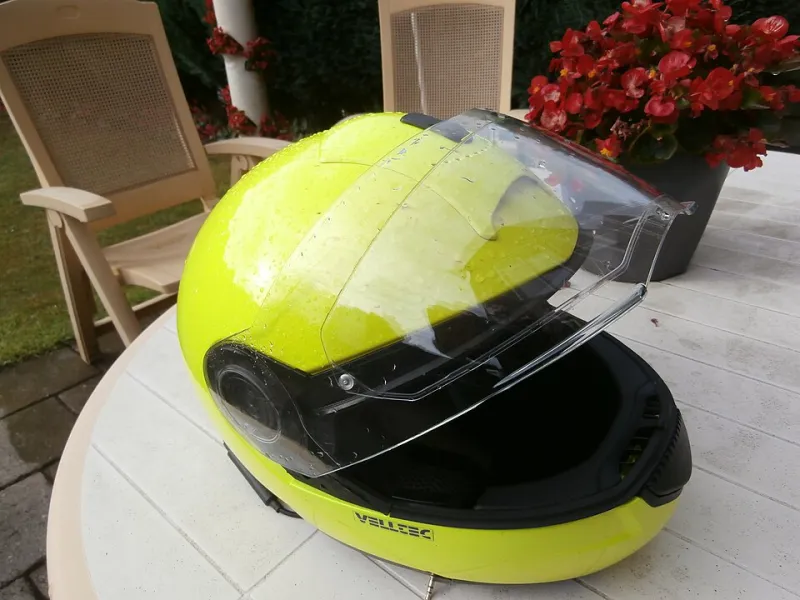
Photo: motorcycle helmets showroom price comparison UK rider gear, via motofomo.com
The £100 versus £500 helmet argument tends to go one of two ways. Either the cheap one is a false economy and you're taking your life in your hands, or the expensive one is just a logo and a nicer paint job. Neither is quite right. Price changes what you get, but it doesn't change the laws of physics, and it certainly doesn't guarantee a better fit.
As we head through another British winter, with dark commutes and wet roads, it's worth separating what actually matters from what just looks good on a spec sheet.
First, the uncomfortable truth about safety
A helmet's first job is to manage impact. In the UK, that means meeting the current road-legal standard, and independent testing gives us more to go on. SHARP ratings are a useful starting point because they test impact performance across a range of points. They're not the whole story, but they're a darn sight more useful than a shiny finish.
The awkward bit is that price and SHARP stars don't march in step. You can find £100 helmets with five stars and £500 helmets with four. That doesn't mean the cheap one is magically better in every way, but it does mean you can't assume spending more buys more protection. Fit matters just as much. A well-fitting £100 helmet will protect you better than a loose £500 one, because a helmet that moves or sits too high can't do its job properly.
Shell construction: where some of the money goes
Cheaper helmets often use polycarbonate shells. More expensive ones use fibreglass, composites or carbon fibre. The expensive materials can be lighter and may allow manufacturers to build a shell that spreads impact energy in a more controlled way, but the difference isn't automatically night and day for road riding. A well-designed polycarbonate helmet can perform very well.
What you often pay for is consistency and weight. A lighter helmet reduces fatigue on a long ride, and fatigue affects concentration. Multiple shell sizes also help: a helmet that's proportioned to your head size looks better and can fit better than a one-shell-fits-all design with thick padding.
Fit systems, comfort and noise
This is where the gap between £100 and £500 often shows up most clearly. Expensive helmets tend to have more sizes, better liners, more adjustable retention systems and cheek pads in different thicknesses. That matters for comfort, but it also matters for safety, because a secure fit keeps the helmet in the right place.
Noise is another factor. A quieter helmet won't make you invincible, but it reduces fatigue and makes long motorway miles less draining. Better seals, a chin curtain and a well-shaped shell can all help. Ventilation is the flip side: you want airflow without freezing your face off in February. Cheap helmets sometimes get one or the other, while pricier ones tend to balance them better.
Visors and optics
A visor is not just a window. Optical clarity, scratch resistance, Pinlock readiness and a smooth mechanism all affect how you see and how much you fiddle at the lights. Cheap visors can distort at the edges, fog more readily and scratch if you look at them wrong. Expensive ones often have better coatings and spare parts available.
That said, a £100 helmet with a well-fitted Pinlock can be perfectly clear in winter. The visor is a good place to judge value, but don't assume a fancy mechanism equals a safer ride.
Warranty, spares and UK support
This is the unglamorous part that often gets ignored. A £500 helmet from a UK retailer with proper warranty support, spare liners and replacement visors is a different proposition from a grey import with no backup. Helmets have a service life, and parts wear out. If you can't get a new cheek pad or visor in two years, the bargain starts to look expensive.
Buying from a UK shop also means you can try before you buy, check the fit and ask questions. That's worth more than a fancy graphics kit.
What you don't get for £500
You don't get a guarantee of better protection. You don't get a free pass on fit. You don't get immunity from fogging, noise or rain. And you don't get a better ride just because the helmet has a racing stripe. Some of the price is genuine engineering, some is brand positioning, and some is simply the cost of doing business at the premium end.
What actually matters for UK riders
For commuting, prioritise fit, a Pinlock-ready visor, decent ventilation and a quiet enough shell to keep you alert. For touring, comfort and noise control climb up the list. For weekend blasts, weight and airflow might matter more. In every case, check the SHARP rating, try the helmet on, and make sure you can get spares.
The verdict
A £100 helmet can be a genuinely safe, sensible choice if it fits well and meets the standard. A £500 helmet can be a better long-term ownership proposition if it fits your head, suits your riding and comes with proper support. The price tag isn't the protection. The fit, the certification and the condition of the helmet are. Spend what you can, but spend it on the right things.