Tints, Light and the Law: A Rider's Visor Check for 2026

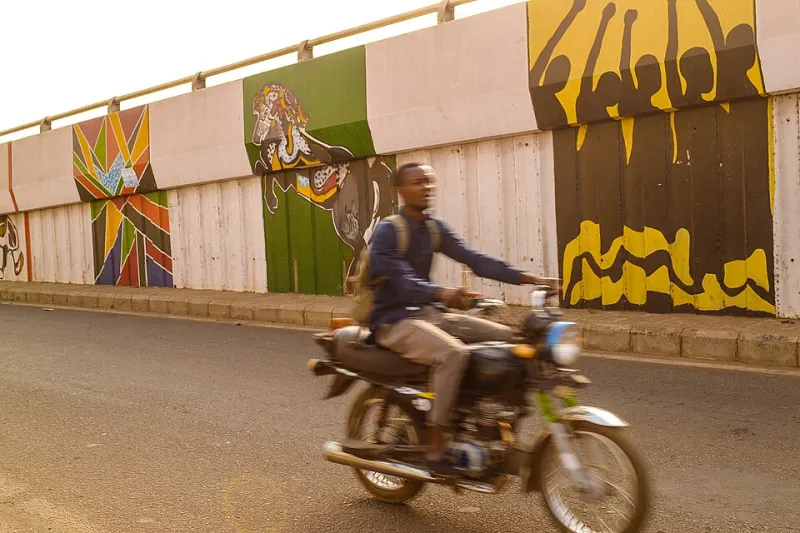
Photo: Sheihu Salawatia, CC BY-SA 4.0, via Wikimedia Commons
British riding rarely gives you one kind of light. You can set off in flat grey drizzle, round a corner into low winter sun, then finish the commute under streetlights with a visor that suddenly feels like a bathroom window. That is why visor choice is not a styling detail. It is a safety decision, and in the UK it is also a legal one.
Start with light transmission, not the label on the packet
A visor sold for road use in the UK needs to let enough light through for you to see properly. In broad terms, look for a visor that transmits at least 50% of visible light for normal daytime road riding. Check the approval marking, such as BS 4110 or ECE 22.05/22.06, and any light-transmission figure. If a visor is marked for track, off-road or display use, or it is noticeably darker than a standard road tint, it is not the one for the A34 at 7am. If the marking is missing or says not for road use, treat it as not legal for the road.
Police can take an interest, but the bigger issue is what you can actually see. A dark tint hides unlit cyclists, wet patches, gravel and the kerb you thought was further away. At night, a clear visor is the sensible and, in practice, legal choice. Save the dark tint for the track or the display shelf.
The drop-down sun visor is not a magic shield
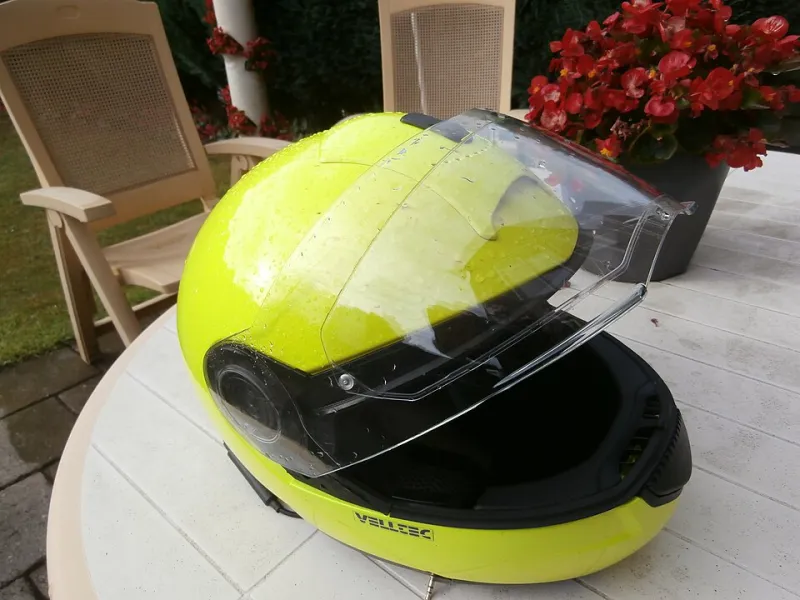
Many helmets have an internal sun visor. It is great for low sun and sudden glare. But check the handbook: many are designed as secondary glare protection, not as the main impact-rated visor. Do not ride with the clear outer visor flipped up and rely on the drop-down alone. And do not stack a dark outer tint with the inner sun visor down unless you genuinely want to see the square root of nothing.
A drop-down visor is a useful tool. It is not a licence to run a darker main visor than the law allows, and it is not a substitute for cleaning the outer visor properly.
British weather makes a light tint feel darker
Rain, road spray and a scratched visor all cut contrast. A tint that feels fine on a dry July evening can turn a wet November ride into guesswork. Low sun is the other trap: a dark visor does not remove glare, it just reduces everything, including the brake lights you need to see. If you wear glasses, keep them clean and make sure the visor does not press them into your face.
Fog is the real test. A clear but fogged visor is worse than a light tint. A Pinlock insert or a well-fitted anti-fog treatment is worth more than a fashionable tint. Check the visor seal too. If water tracks inside, fix the seal before you blame the tint.
Scratches, seals and the visibility you cannot measure
Clean your visor with warm soapy water and a microfibre cloth. Avoid petrol, alcohol and kitchen roll. Deep scratches, crazing and peeling coatings scatter light and make night riding harder. Replace a visor that is past it. A clear visor you can see through beats a cool tint you cannot.
A pre-purchase and pre-ride checklist
- Is there a visible approval mark for road use?
- Does it meet the 50% light-transmission line for daytime road riding?
- Do you have a clear visor for night, fog or heavy rain?
- Is the drop-down sun visor being used only as a secondary aid?
- Are the hinges, pins and seals intact?
- Does it fit the helmet without gaps or wind noise?
- Can you return it if the tint is wrong for your riding?
- Have you checked the helmet manual and asked the retailer?
Buying advice that keeps you legal and seeing
A spare clear visor is not glamorous, but it is one of the best bits of kit you can keep under the seat. A photochromic visor can be handy, but only if it is marked for road use and changes fast enough for tunnels and dusk. Do not buy a dark visor because it looks good in the shop. Buy the one you can use on the road, in the weather you actually ride in.
If you swap visors, keep the original clear one in a visor sock. Check the pins and seals each time you refit it. A visor that is not seated properly will leak, fog and rattle, and you will end up blaming the helmet.
The bottom line
Legal tint limits exist for a reason. The road is full of grey days and sudden shadows. Your visor should make the ride clearer, not just cooler. If you are in any doubt, go clear. You can always add sun protection with a drop-down visor or a peak, but you cannot add back the light you blocked.