Park It, Don't Risk It: Keeping Your Helmet Yours on the Daily Commute

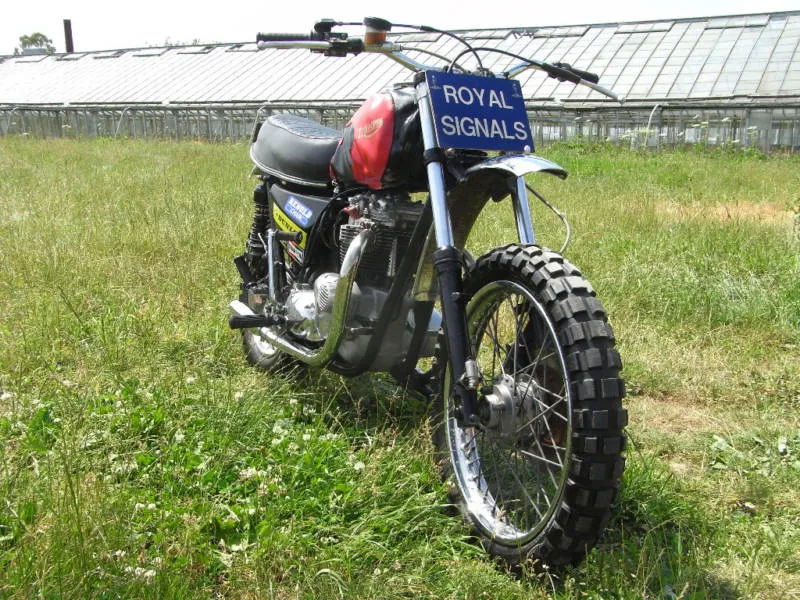
Photo: U.S. Army 2BCT-1CD by Spc. Jacob Nunnenkamp, Public domain, via Wikimedia Commons
Commuting is hard on helmets. Not just the miles, but the stop-start life: the locker, the train station rack, the office desk, the pub floor, the mirror. A helmet that lives on a bike mirror is an invitation to thieves and a slow lesson in UV, rain, and gravity.
What you are actually protecting
A helmet is not just a shell. The straps, buckle, comfort liner, visor, and EPS liner all matter. A thief may take the whole lid; a careless passer-by may knock it off a mirror; a hot top box may cook the adhesive on a visor mount; rain can leave a liner smelling like a wet dog. Security is about keeping the helmet with you and keeping it in usable condition.
Carry first, lock second
The most secure place for a helmet is on your head or in your hands. For short hops, a helmet bag with a shoulder strap is worth the faff. It keeps the shell away from keys and coins, gives you somewhere to put gloves, and stops you leaving the lid on the seat while you pay for coffee.
If you commute by train, a lightweight bag is easier than a hard case. Look for one with a drain hole or breathable panel so a damp helmet does not stew. Do not put a wet helmet in a sealed bag and leave it in a warm office all day; take it out and let it air.
Helmet locks: useful, not magic
A purpose-made helmet lock is a good second line of defence. Most work by securing the helmet to the bike through the chin bar or the shell opening. Read the instructions: you want a lock that secures the helmet without putting load through the chin strap or D-ring. A strap is not a security cable, and a cut strap makes the helmet unusable.
Cable locks are convenient but easy to cut. A U-lock or a short armoured cable is better if you are leaving the bike in a public place. Lock the helmet to the bike frame or a fixed rack, not to a brake lever or a mirror. If the helmet hangs loose, it can swing into the bike and scuff the shell.
Top boxes and panniers
A top box is the commuter's friend: lockable, weatherproof, and out of sight. The catch is heat and movement. A black top box in summer sun can get very warm, and a helmet rattling around inside can pick up scuffs. Use a helmet bag or a soft mat, and do not force the lid in. If the box is full, the helmet gets squeezed; that is not good for the EPS or the visor mechanism.
Panniers can work for a short commute, but they are not all helmet-shaped. A tight pannier can press on the shell or bend the visor. If you use one, put the helmet in a bag and make sure nothing hard is pressing into the liner. Hard cases are generally kinder than soft luggage.
Workplaces and train stations
Ask your employer about a locker or a secure room. A helmet left on a desk is safe from theft but not from being knocked onto the floor. A helmet left in a changing room may be fine, but it may also be moved, sat on, or used as a doorstop. A simple helmet bag and a hook well above floor level solve most of this.
Train stations are trickier. Busy racks attract thieves, and a helmet left locked to a bike all day is a target. If you must leave it, use a proper lock and park in a well-lit, overlooked spot. Better still, carry it. Many commuters use a backpack with a helmet loop or a dedicated helmet bag that clips to the bag.
The high street problem
Pop into a shop and the helmet comes too, or it stays on the bike. Leaving it on the mirror is the worst of both worlds: easy to grab, easy to knock, and exposed to rain. If you are only away for a minute, take it with you. If you are parked for longer, use a top box or a lock, and put the helmet in a bag first.
Weather, heat, and the slow damage
Rain is not usually a shell killer, but it is unkind to liners and electrics. A wet liner can grow bacteria and smell; a wet visor can fog and scratch. Dry the helmet naturally, away from radiators and direct sun. Do not use a hot air gun or leave it on a hot dashboard.
Heat is the quieter enemy. Repeated exposure to strong sun and hot boxes can age adhesives, foam, and trim. It is not a reason to panic every sunny day, but it is a reason not to treat the top box as a greenhouse. In winter, bring a damp helmet indoors to dry; in summer, shade it.
A simple commuter routine
At home: store the helmet on a shelf or in a bag, not on a mirror. At work: carry it in, use a locker, or hang it in a bag away from foot traffic. At the station: carry it or lock it properly, and never leave it overnight. On the bike: use a top box with a mat, or a lock through the frame. Once a week: check the strap, buckle, visor, and shell for damage.
What to buy
A helmet bag with a shoulder strap, a purpose-made helmet lock, and a soft mat for the top box will cost a fraction of a new lid. Add a small microfibre cloth for the visor and a waterproof cover if you leave the bike outside. None of it is glamorous. All of it keeps your helmet yours, dry, and ready to do its job.
The bottom line
Your helmet is safety kit, not a fashion accessory to be left on display. Carry it when you can, lock it when you must, and keep it out of the rain, heat, and the path of careless feet. A little routine beats a replacement bill.