Camera On, Lid Intact: Filming UK Rides Without Turning Your Helmet Into a Test Rig
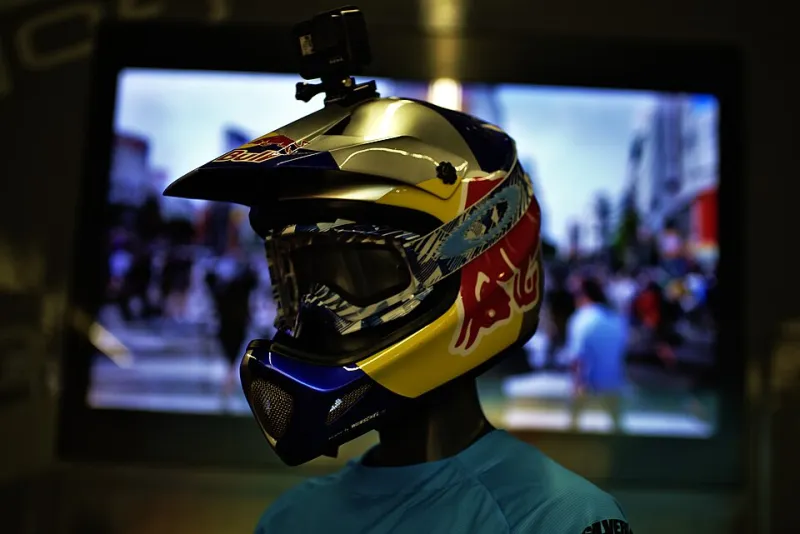
Photo: Thomas Vogt from Paderborn, Deutschland, CC BY-SA 2.0, via Wikimedia Commons
Helmet cameras have become part of ordinary UK riding life. Commuters use them for evidence, weekend riders use them for clips, and track-day riders use them to relive a tidy lap. The trouble is that a helmet is not a camera tripod. It is a carefully tested piece of protective kit, and every mount, pad and clamp is a small modification that deserves more thought than the average unboxing video suggests.
At KB Helmets UK, the safety-first view is simple: film the ride if you want, but do not turn your lid into a test rig in the process.
The law is less dramatic than the forum threads
There is no blanket ban on helmet-mounted cameras for road use in the UK. You are not automatically breaking the law simply because there is an action camera on your bonce. But that does not mean anything goes.
Your helmet still needs to be an approved helmet, worn correctly and not modified in a way that could affect its protection. A camera must not obscure your vision, block your peripheral view or interfere with the visor. If it does, you are into dangerous-driving territory rather than camera-geek territory. Keep the lens and mount away from the eye port, and make sure you can still do a proper shoulder check without a plastic brick in your line of sight.
Footage can be used as evidence, which cuts both ways. It may help after a collision or a close pass. It may also show that you were riding in a way you would rather not explain to an insurer or a court. Publishing clips brings its own questions under UK data protection rules if people are identifiable, so think before uploading that road-rage montage.
Mounts: the small lever with the big job
Adhesive mounts are popular because they are neat and cheap. The risk is not usually the adhesive itself in the short term, but what riders do with it. Sticking a mount to a painted or lacquered shell is one thing. Using solvents to clean off residue, or prising a pad off with a screwdriver, is where finishes and shells can suffer. Some helmet manufacturers explicitly warn against adhesives or aftermarket attachments, so check the manual before you start decorating.
Clamp mounts are no free lunch either. A clamp squeezes the shell and can put local stress around the mounting point. On a thin or composite shell, that is not a place to guess. Never drill a helmet shell. Never screw into it. Never cut the lining to fit a mount. If a camera needs holes, it needs a different mounting plan.
Weight matters too. A 100g camera does not sound like much until it is sitting on a lever arm at 70mph, with vibration and wind load adding their tuppence. Keep the camera close to the shell, use a tether as a backup, and avoid long articulated arms. Chin mounts can work well because they sit lower and closer to the helmet, but they still need to be fitted without blocking the chin bar or interfering with the strap.
Evidence cuts both ways
Riders often fit a camera for insurance peace of mind. That is understandable, but do not assume footage is a magic shield. Insurers may ask whether the helmet has been modified, whether accessories were fitted, and whether the camera was in use. Answer honestly. If you have added a mount, keep it tidy and removable, and do not pretend the helmet is box-fresh standard when it is not.
Track days are another matter. Some organisers ban cameras or require specific mounts and tethers. Some circuits are stricter than others. Check the rules before you travel, rather than turning up with a GoPro and a hopeful expression.
A practical camera setup for UK riders
Start with the lightest camera that does the job. Loop recording is more useful than cinematic resolution for commuting. Mount it close to the shell, keep the lens clean, and tether it. Use a mount you can remove without leaving a sticky mess or a stressed shell. Check the battery before a winter ride, because cold weather eats action-camera endurance for breakfast.
Most importantly, set it and forget it. A camera that needs prodding at traffic lights is a distraction. A camera that blocks your view is a hazard. A camera that compromises the helmet is a false economy.
The bottom line
A helmet camera should be an accessory, not an alteration. If the mount needs drilling, solvents, brute force or a prayer, stop. Your lid has one job that outranks every clip you will ever film. Capture the ride by all means, but keep the helmet doing its real work first.