The Pillion Fit File: Why a Spare Lid Isn't a Passenger Plan

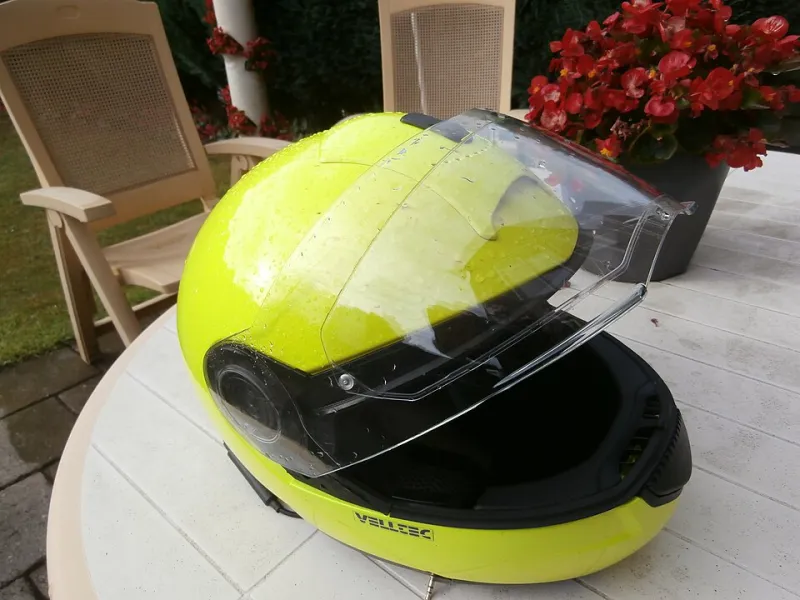
Photo: Luigi Guarino from Bonn, Germany, CC BY 2.0, via Wikimedia Commons
A spare helmet from the shelf is a nice gesture. It is not a plan. If someone rides pillion with you regularly, they need a helmet that fits their head, suits their glasses or hair, works with the intercom and has not been quietly degrading in a shed since 2019. The passenger is trusting you with their safety, so the lid deserves its own fit session rather than a quick dust-off before the ride.
1. Start with the UK legal basics
In the UK, a pillion passenger must wear a helmet approved to the regulations and it must be securely fastened. The bike needs a proper passenger seat and footrests, and the rider must hold the right licence to carry a passenger. A learner rider cannot carry a pillion. Those are the legal boxes, but they are only the start. A legal helmet that is loose, worn out or uncomfortable is not a safe helmet. If you are unsure about your own setup, check GOV.UK and your insurer before you ride.
2. Measure before you shop
Do not guess a size from the helmet you already own. Measure around the head just above the eyebrows, keeping the tape level. Then check the brand's own size chart, because a medium in one make can feel like a large in another. Head shape matters too. Some of us are rounder, some are more oval, and some sit between. A helmet that is the right circumference but the wrong shape will create pressure points after twenty minutes.
If your pillion wears their hair up, wears glasses or uses a headscarf, bring that information to the fitting. The helmet has to work with real life, not just a bare head in a shop mirror.
3. Run a proper fit session
Put the helmet on and roll it gently forwards and backwards. The shell should move with the scalp, not slide around it. Check the forehead and crown for hot spots. The cheeks should feel snug but not painful, and the chin strap should sit close under the jaw without digging in. Fasten it and try to roll the helmet off from the back. It should not come away easily.
Ask your passenger to sit on the bike, or at least on a chair, and look over each shoulder. Vision should be clear, the lid should not push into the neck, and the weight should not feel alarming. Leave it on for fifteen to twenty minutes if you can. A helmet that feels fine for two minutes can turn into a headache at the first service station.
4. Do not buy big to fit the intercom
Intercoms are brilliant for pillions, but they should not change the shell size. If the helmet has speaker recesses, use them. If it does not, choose a clamp-on unit that does not require cutting the shell or the protective liner. Never carve foam out of a helmet to make speakers fit. That foam is part of the protection. A slightly heavier helmet with proper speaker pockets is a better answer than a loose helmet with a drill.
5. Treat hygiene as part of the fit
A shared spare helmet can smell like a gym bag and still look fine from the outside. If your pillion rides regularly, give them their own liner or at least their own clean balaclava. Wash removable cheek pads and liners according to the maker's instructions, and let everything dry fully before it goes back in the helmet. Store the lid in a dry place, not in a damp garage or on a sunny windowsill.
Check the manufacture date too. A spare helmet that has been sitting for years may have compressed padding and an older liner. It might be fine for a one-off emergency, but it is not the right long-term answer for someone you care about.
6. Check intercom compatibility before you buy
Bring the intercom unit to the fitting if you already own one. Check that the speakers sit in the recesses without pressing on the ears. Make sure the clamp does not foul the shell or the neck roll. Check that the battery and cables can be routed without pulling on the helmet. If your pillion wears glasses, make sure the arms are not trapped by the liner.
Also think about wind noise. A pillion sits in a different airflow from the rider, so a helmet that is quiet for you may not be quiet for them. A snug fit and a chin curtain can make more difference than an expensive headset.
7. Sort the visor and weather kit
A clear visor is the sensible default for UK riding, with a Pinlock or similar anti-fog insert for wet mornings. If your pillion uses a tinted visor, check the rules and carry a clear one for low light. Glasses wearers may prefer a helmet with a drop-down sun visor, but check that it does not clash with their frames. In winter, a neck tube and a well-fitting chin curtain are worth more than a fancy paint job.
8. Keep the lid theirs
Once you have found the right helmet, label it. Keep it in its own bag, check the strap and visor before each ride, and replace it after a drop or a crash. A pillion helmet is not a communal spare. It is personal protective equipment, and it should be treated that way.
A quick pre-ride pillion check
- Helmet approved, undamaged and within its service life.
- Correct size, snug fit and chin strap securely fastened.
- Visor clean and appropriate for the light.
- Intercom speakers comfortable and cables clear.
- Passenger seat and footrests usable.
- Pillion briefed on leaning, mounting and getting off.
A twenty-minute fit session is cheaper than a miserable ride, and far cheaper than a replacement helmet bought in a panic. If someone rides with you often, make the lid theirs. That is the difference between a spare helmet and a passenger plan.