Cold Snap, Foggy Visor: A Rider's Winter Helmet Reset for 2026
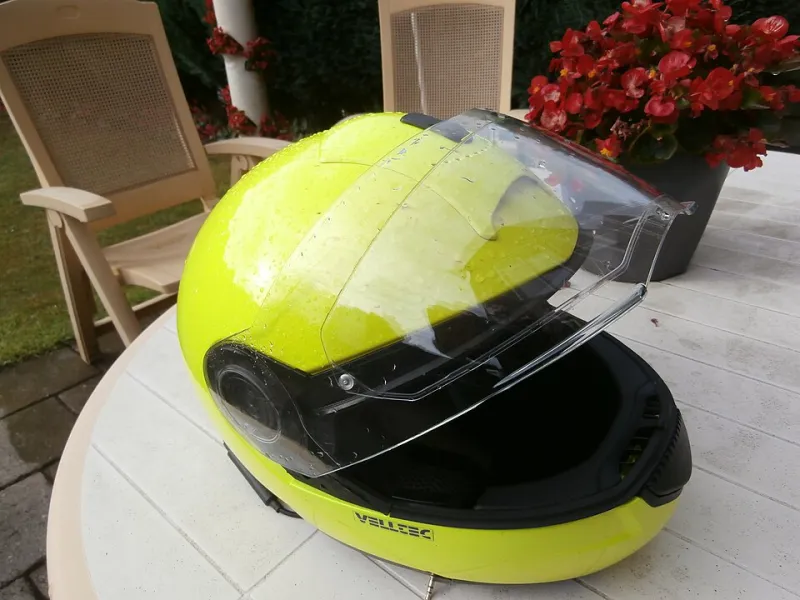
Photo: Pierotreruote, CC BY-SA 3.0, via Wikimedia Commons
November in the UK has a habit of arriving all at once. One week you're leaving the house in daylight; the next you're scraping frost off the seat at 7am and riding home in the dark. That shift does more than make your fingers ache. It turns your visor into a little greenhouse, and suddenly the most important piece of safety kit on the bike is the thing you can't see through.
Fogging isn't cosmetic. On a stop-start commute, every set of lights gives your breath somewhere to condense. A misted visor hides potholes, pedestrians stepping out between cars, and the brake lights of the van ahead. You can crack the visor open, but in freezing rain that's a miserable trade. The better answer is to set the helmet up properly for cold weather and keep it that way through the darker months.
Why winter fogging is a proper safety problem
Fog forms when warm, moist air from your breath hits a cold surface. In summer, that moisture has somewhere to go. In November, the visor is cold enough to act like a bathroom mirror. Add rain, a closed visor and a slow queue of traffic, and you've got a recipe for a blind spot right where you need to see most.
The safety maths is simple: if you can't see clearly, you can't react early. Dark nights make it worse because contrast is lower and headlights flare across a smeared visor. A quick wipe with a glove often makes things worse, especially if the glove is wet or gritty. This is why prevention beats improvisation.
Pinlock: fit it properly or don't bother
A Pinlock insert is a moisture-absorbing lens that sits inside the visor and creates a sealed air gap. It's the most reliable anti-fog solution for most riders, but only if it's fitted correctly. The silicone seal needs to touch the visor all the way around. A tiny gap is enough to let moist air in and fog the insert from the edges.
Start with a clean visor and the correct insert for your helmet model. Check the pins are in the right position. Many visors have eccentric pins you can turn to adjust tension. You want the insert to sit flush without being crushed. If the seal looks flattened or the insert is lifting, adjust it before you ride. Test it at a standstill with the visor closed and your breath directed at the lens. If it fogs around the edge, the seal isn't doing its job.
Check the insert regularly through winter. A dirty or scratched Pinlock won't clear as well, and a yellowed one is past its best. They're consumables, not fit-and-forget. Also check your visor is actually Pinlock-ready. Some helmets need a specific insert, and a generic one won't seal properly.
Breath guards and chin curtains: the unglamorous heroes
A breath guard is a small piece of plastic or rubber that deflects your breath downwards, away from the visor. A chin curtain reduces cold air swirling up inside the helmet. Neither is exciting, but together they make a real difference on a winter commute.
Many helmets come with them in the box, or the manufacturer sells them as accessories. Fit them properly rather than taping something in place. A badly fitted breath guard can be uncomfortable or restrict airflow, and DIY fixes rarely survive a wet commute. If your helmet has vents, learn how they work. A little airflow can clear moisture, but too much cold air can make your eyes water. It's a balance, and it's worth fiddling with on a dry day rather than at the side of a rainy A-road.
Anti-fog sprays versus inserts
Sprays and cloths can help, but they're a backup rather than a full solution. Most need reapplying regularly, and some can smear or leave a film that catches the light. If you use one, make sure it's designed for visors and follow the instructions. The old washing-up liquid trick is popular, but it can leave residue and isn't kind to some coated visors. A Pinlock insert is more consistent for everyday winter riding.
That said, a small anti-fog cloth in your jacket pocket is handy for a visor that's already misted. Just don't rely on it as your only defence.
Cleaning without wrecking the coating
Winter grime is abrasive. Road salt, grit and oily spray all end up on the visor, and rubbing them around with a dry cloth is a good way to scratch the coating. Use a microfibre cloth and lukewarm water with a little mild soap. Remove the visor if you can, wash it gently, and rinse well. Let it air dry rather than blasting it with a hot hairdryer.
Avoid paper towels, petrol, solvents and household glass cleaners. They can damage the plastic or the coatings. For the Pinlock, follow the maker's cleaning advice; some can be rinsed, but harsh cleaners will shorten their life. Helmet liners that are removable can usually be washed according to the label, but don't soak the EPS liner. Dry everything away from radiators and direct heat.
A pre-ride winter helmet checklist
Before you set off on a cold morning, run through this quick list:
- Visor clean on both sides, with no gritty residue.
- Pinlock seal flush and undamaged.
- Breath guard and chin curtain fitted.
- Vents set for the conditions, not left wide open from summer.
- Gloves allow you to open and close the visor safely.
- A spare clear visor or anti-fog cloth in your kit if you commute daily.
- Helmet stored dry, not dumped in a damp shed.
The bottom line
Fogging is one of those problems that feels inevitable until you sort it out properly. A well-fitted Pinlock, a breath guard and a sensible cleaning routine will get you through a UK winter with a clear view and far less guesswork. Your commute is dark enough already. Don't make it blind as well.